

Africa’s design economy is experiencing one of its most dynamic periods of growth. Powered by a cultural renaissance in music, film, technology, and digital media, design has moved from the periphery of creative expression to the center of business strategy. Today, African design is no longer seen as a niche aesthetic—it is becoming a powerful economic engine, shaping how brands communicate, how products are built, and how culture is consumed.
From fashion and interior décor to digital design, branding, photography, and creative marketplaces, the continent’s design ecosystem is evolving rapidly. Businesses such as Mented Africa, 24 Seven Art, Homecoming Festival, Ijinle Africa, Artyrama, and Kenza Collective show that design-driven ventures can be both culturally relevant and financially profitable.
This wave signals a new truth: African design is not just cultural capital—it is commercial capital.
A Rising Market Backed by Data
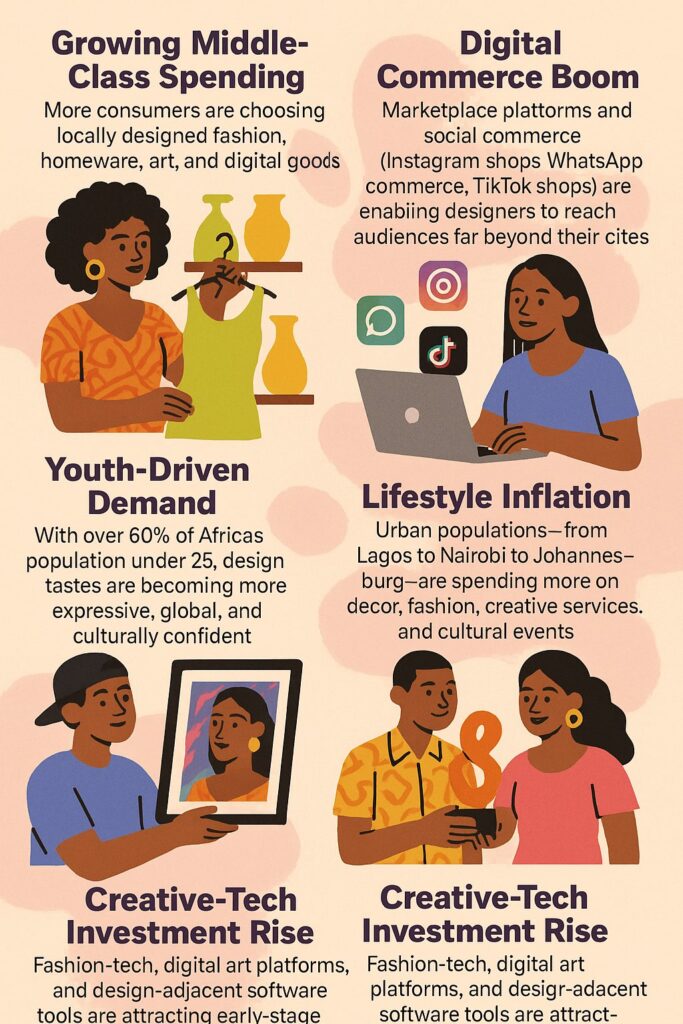
Market intelligence from organizations like Norrsken Africa, AfriLabs, GSMA, and the Mastercard Foundation shows a clear trend: African consumers are spending more on products and experiences that reflect identity, lifestyle, and aspiration. This momentum suggests that the design economy is not just growing—it is accelerating.
Design as Strategy: The New Competitive Advantage
In Africa, brands that prioritize design thinking are scaling faster than those relying solely on trends. This is because design is becoming a strategic business function, not an afterthought.
Design-driven African brands share three traits:
1. Deep User Understanding
They build for local realities—heat, climate, infrastructure, cultural values, color psychology, material availability, and social behaviors.
2. Cultural Literacy
They design products and campaigns that resonate with local identity, language, humor, heritage, and aesthetics.
3. Emotional Value Creation
African consumers are highly emotional buyers. Design that feels authentic, aspirational, and culturally intelligent drives loyalty and word-of-mouth growth.
From Homecoming Festival’s identity ecosystem to Ijinle Africa’s textile-forward experience design, the strongest players combine culture + craft + commerce into a scalable strategy.
Where the Money Is: Core Design Growth Sectors
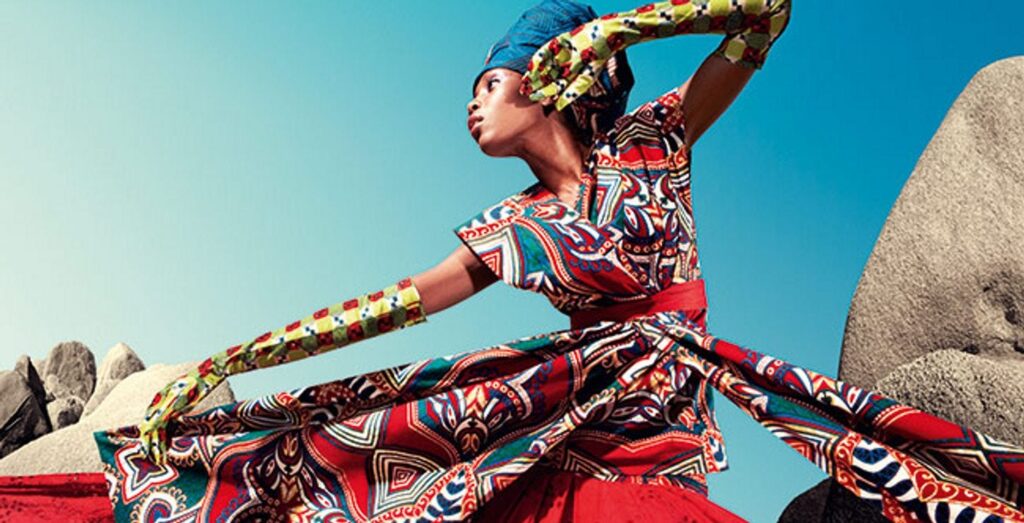
1. Fashion & Apparel
Africa’s fashion sector is valued in the tens of billions, with local brands capturing increasing market share from imports. Interest is rising in:
- luxury and ready-to-wear
- sustainable and artisan-driven fashion
- fashion-tech platforms
- textile innovation
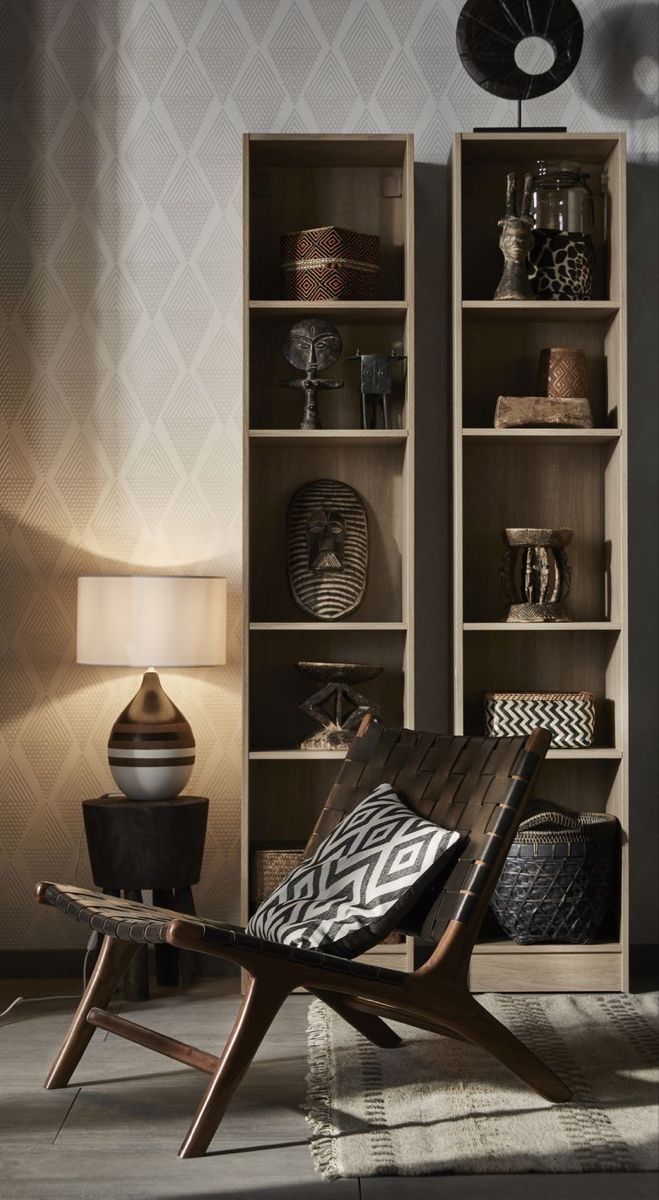
2. Interior Design & Homeware
Urbanization has sparked demand for:
- modern African furniture
- décor brands
- lighting and lifestyle products
- artisan-made ceramics and textiles
3. Digital & Product Design
UI/UX, brand identity, animation, and content design are experiencing explosive growth. Startups increasingly adopt design systems and brand strategy from day one.
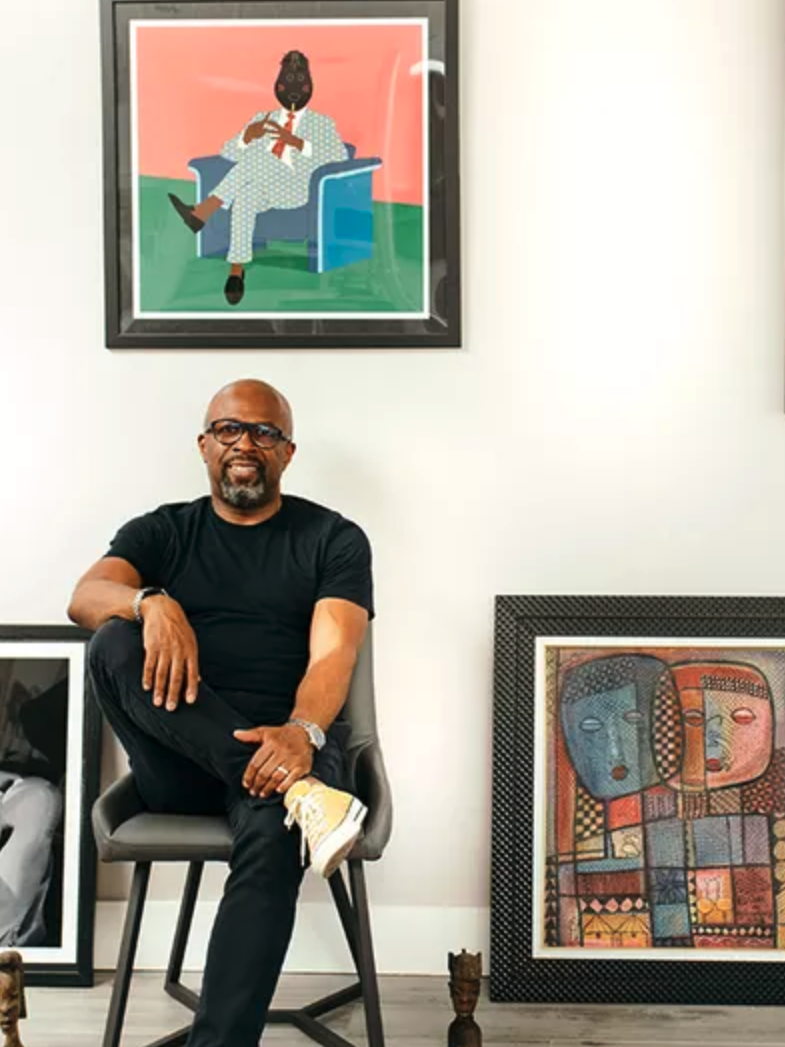
4. Art & Collectibles
Platforms like Artyrama and Kenza Collective are creating digital marketplaces for African art, enabling global collectors to access emerging creatives.
5. Experiential Design & Cultural Events
Homecoming Festival and similar platforms prove that experiences—festivals, exhibitions, pop-up markets—are high-value commercial ecosystems.
6. Creative Education & Design Academies
Demand for design talent is outpacing supply. The next major wave will be schools, accelerators, and design-tech tools.
Design is no longer the garnish on Africa’s economic plate…
— it is becoming one of the core ingredients. It shapes how brands communicate, the products people buy, the tech interfaces they use, and the spaces they inhabit. Like Afrobeats in 2014 or African fintech in 2017, the design economy is at the inflection point. Early movers—investors, founders, and creative executives—will shape the continent’s aesthetic and commercial future.
The future belongs to those who understand the intersection of culture, creativity, and commerce. And in that intersection, Africa stands uniquely positioned—not to follow global trends, but to set them.