

Across the African continent, fashion is more than fabric—it is a vessel of memory, identity, cosmology, and community. For centuries, textiles have served as archives of ritual, lineage, spirituality, ceremony, craft, resistance, and aesthetic philosophy. Today, a new generation of African designers is transforming this legacy into contemporary fashion that both honors tradition and pushes global boundaries.
These designers are not simply producing garments. They are documenting history, reviving endangered craft, dignifying local artisans, and reframing Africa’s visual heritage on the world stage. Every stitch, bead, motif, and silhouette is part of a larger storytelling tradition—one that affirms that African fashion is as intellectual and symbolic as it is beautiful.

The Beaded Memory of Lisa Folawiyo
Nigerian designer Lisa Folawiyo has become synonymous with the elevation of Ankara into global luxury. Her signature beadwork—delicate, meticulously hand-applied, and richly layered—turns wax print into couture-level garments seen on runways from Lagos to Paris.
Her embellishment techniques draw inspiration from Yoruba royal regalia, where beadwork was historically used to signify authority, spirituality, and divine presence. By embedding these symbols in contemporary silhouettes, Folawiyo creates garments that speak simultaneously to heritage and modernity.
Each piece becomes a dialogue between Africa’s past and the global present—an example of how design can carry memory without becoming nostalgic.

Christie Brown: Matriarchs, Myth & Modernity

Christie Brown
Founded by Ghanaian creative director Aisha Ayensu, Christie Brown is rooted in the stories of African women. Her collections weave together myths, matriarchal strength, folklore, and craft traditions into silhouettes that feel effortlessly modern.
Ayensu’s design language blends:
- hand-dyed textiles
- sculptural adornments
- intricate surface treatments
- storytelling prints inspired by West African women’s histories
Her work reminds observers that African fashion is narrative-driven—the clothes are not merely worn, they are read.
Maxhosa Africa: The Geometry of Identity

South Africa’s Laduma Ngxokolo, founder of MaXhosa Africa, transformed Xhosa ceremonial knitwear into an international luxury language. His bold geometric motifs, color-saturated patterns, and flawless craftsmanship interpret rites of passage through contemporary knitwear engineering.
Ngxokolo’s approach is rooted in deep cultural symbolism: Each pattern references Xhosa beadwork traditions. Colors carry specific ceremonial meanings. Shapes symbolize growth, adulthood, protection, and continuity. The result is a clothing line that functions as wearable philosophy—rich in meaning, yet undeniably modern.

Lukhanyo Mdingi: Craft as Contemplation

Kenyan/South African designer Lukhanyo Mdingi builds collections with a spiritual calm. His use of natural fibers, soft palettes, and artisanal collaborations create garments that feel almost meditative.
He works closely with weaving communities and artisanal guilds, integrating handwoven textures, organic materials, and quiet silhouettes. Mdingi’s pieces foreground the labor, humanity, and soul of the makers—the people behind the fabric.
His fashion philosophy is grounded in craft integrity: the belief that the process is just as sacred as the product.
A Global Narrative With Local Roots
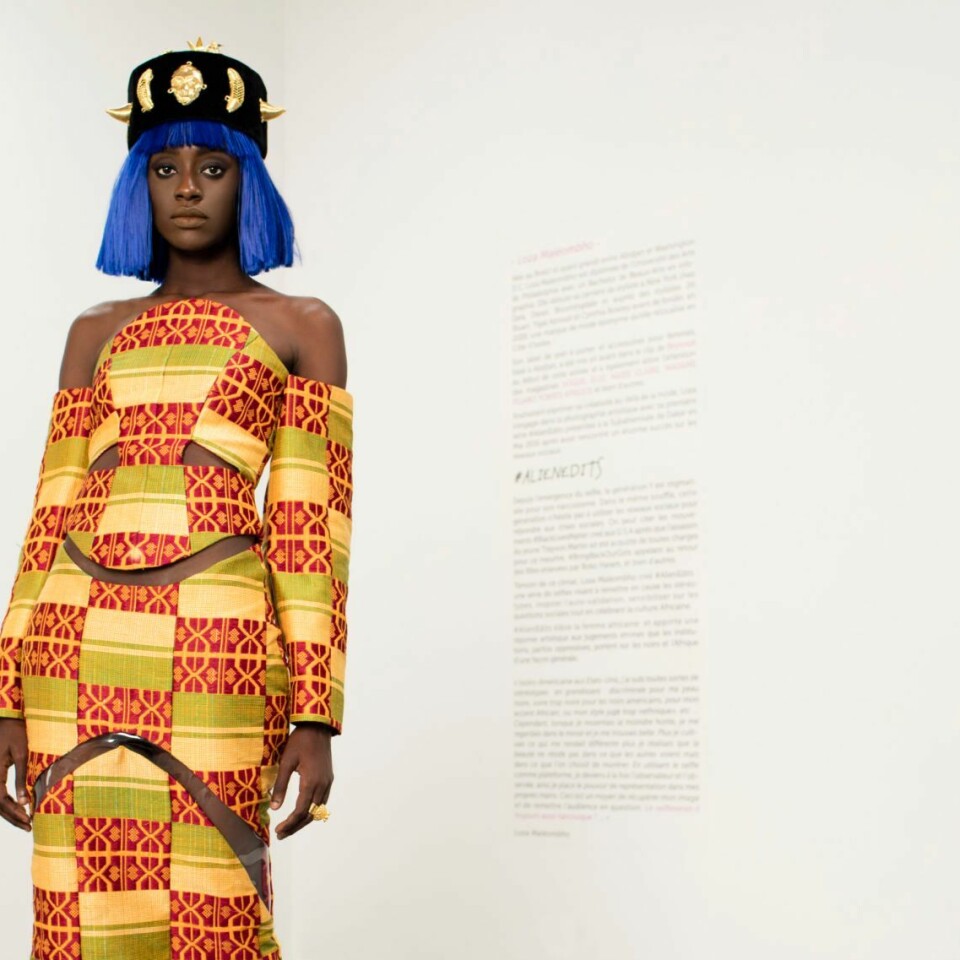
The global industry now looks to Africa for color theory, surface treatments, craftsmanship, and textile innovation. But African designers are not chasing global validation. They are shaping a global visual language on their own terms.
What unites these designers is not aesthetic similarity, but purpose. They see fashion as a living archive—dynamic, evolving, intergenerational. Through these relationships, they help safeguard centuries-old techniques—some on the brink of extinction. Their collections become cultural preservation projects, ensuring that traditions survive by being reinterpreted, not fossilized.
African fashion therefore becomes a form of cultural resistance: a reclamation of narrative, authorship, and artistry.