
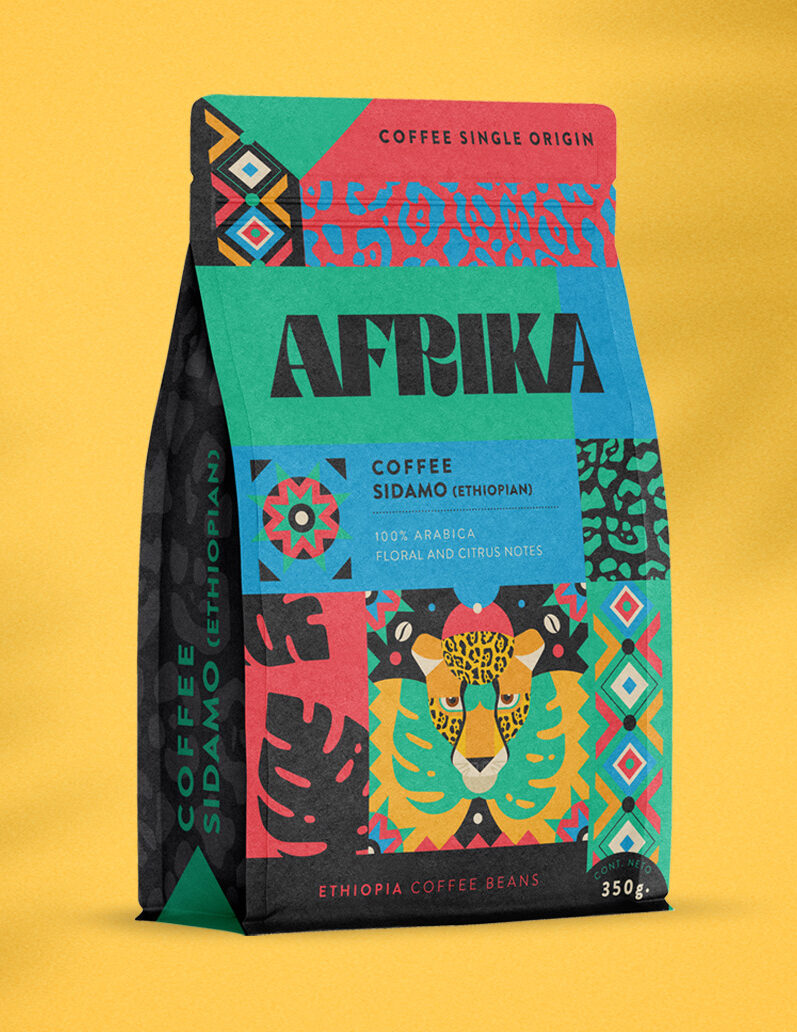
Roots: Colonial Legacies & Indigenous Scripts
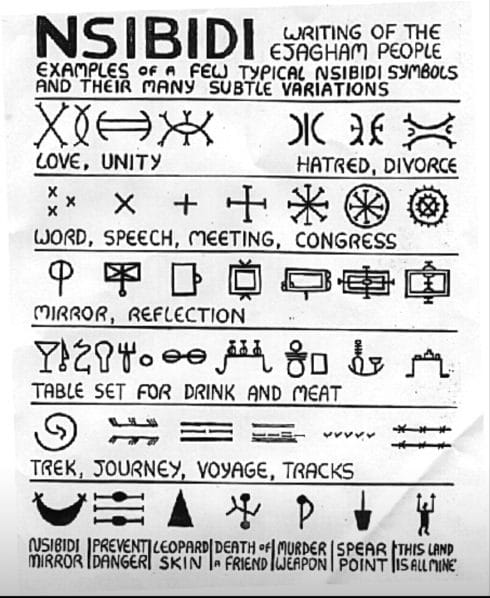
In much of Africa the typographic habit began under colonial education, advertising and print systems: Latin scripts, imported typefaces, European layout norms. Indigenous scripts and visual systems were sidelined, treated as craft or artifact rather than core to visual identity.
Yet beneath this surface lay other visual logics. Script systems like Nsibidi (Nigeria) — a pictographic/ideographic writing system developed by the Ejagham, Efik, Ibibio and related groups in the Cross-River region. Other systems such as Bamum (Cameroon), Tifinagh (North Africa/Berber) and the Ethiopic script (used for Ge’ez, Amharic, etc) have long histories.
These scripts were rarely treated as source material for modern type-design; they were either archived, ritualised or hidden in craft. But that is changing.
A New Wave: Designers Reclaiming Form
Across Africa typographers, graphic designers and foundries are revisiting these historical systems and combining them with street signage, textile geometry, vernacular architecture and public lettering.
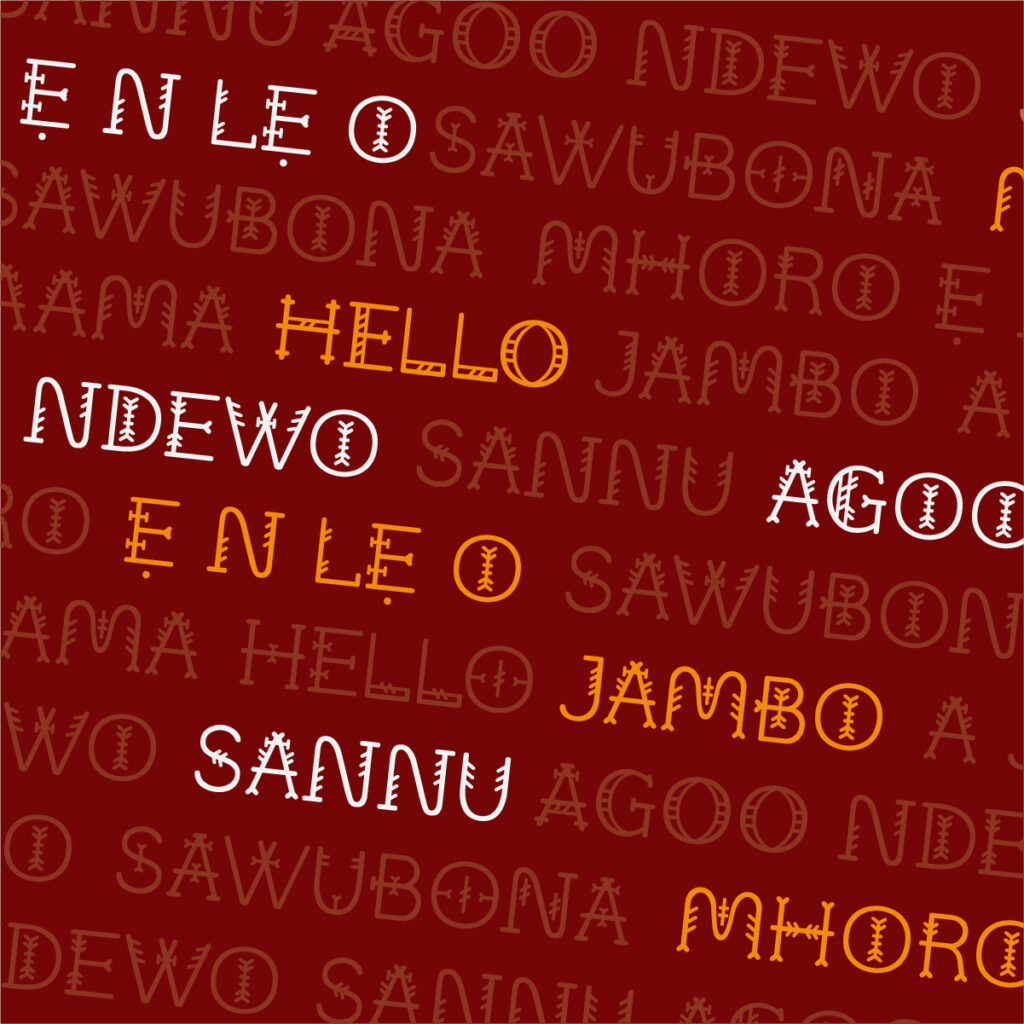
For example, Nigerian designer Seun Badejo created the typeface Agụ Display, a decorative display face directly inspired by Nsibidi symbols.
This is not mere ornamentation. These designs are living, functional typefaces: supporting multiple languages, usable in editorial, branding and digital contexts — and offering a cultural logic rather than aesthetic pastiche.

Designers such as Saki Mafundikwa (Zimbabwe) and Ifem Nnaemeka (Nigeria) are part of this evolution, drawing from indigenous scripts, signage and the geometry of textiles to form new alphabets like Nsibidi Display and Bamum Serif. Their work is rooted in African cultural logics rather than simply stylising “African-look” fonts.
At the same time, foundries such as Atypical Foundry (Nigeria) are providing a platform for African type design voices to distribute fonts globally.
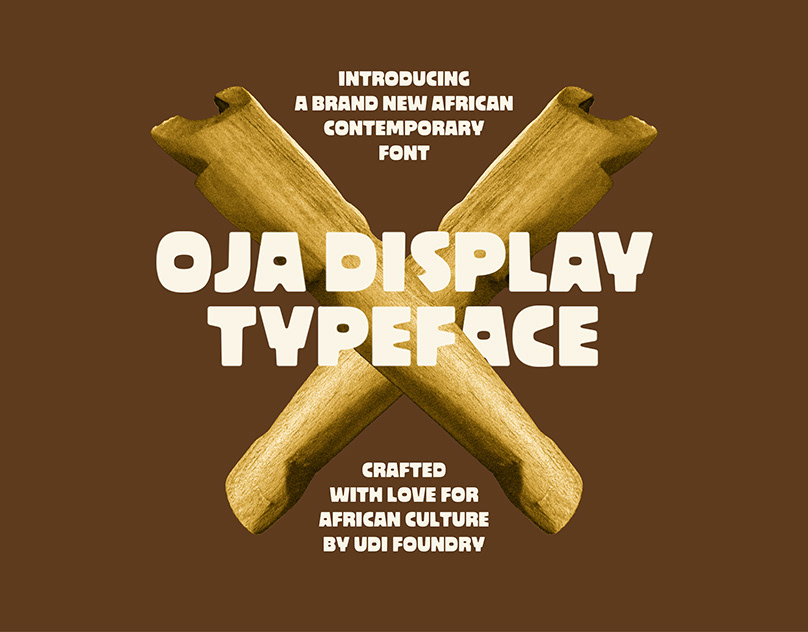
TYPOGRAPHIC LOGIC & CULTURAL MEANING
What makes this wave distinct is how typography is not just a graphic layer but an act of reclaiming identity.
- The forms of indigenous scripts carry meaning: ideograms, pictograms, symbols of social structure, ritual and cosmology. For example, in Nsibidi a symbol may represent “love”, “divorce”, “meeting”, “mirror” — and its form matters.
- Designers are reading the logic of textiles, weaving, signage and architecture: patterns, rhythm, modular systems, repetition, economy of form.
- Typefaces are not just decorative—they are functional, serving brand identity, packaging, editorial systems, websites—and thereby participating in commercial culture with cultural authenticity.
- This typography becomes a way of preserving stories, worldview, rhythm, materiality. As one designer notes: “A lot of how Africa and African design is represented … feels crude and archaic. … Through Agụ Display I aim to shift perceptions, presenting African design as refined, innovative and deeply rooted in cultural heritage.”
Branding & application: from identity to editorial
Brands across Africa are beginning to integrate these new type logics into identity systems. For example:
- Kora, Ancestral Studio and Ekó Market have incorporated culturally-rooted type into packaging, website text, editorial layouts.
- The effect: bold, fresh, alive. Not simply “African themed” in the aesthetic sense, but typographically embedded in local visual logic.
- By using these custom fonts, brands link visual identity and heritage—giving typography meaning, voice and cultural depth rather than leaving it as invisible background.

Why this matters
- Identity & voice: Typography isn’t neutral. Typefaces convey voice. When African-rooted forms are used, they reassert identity rather than defaulting to globally-dominant Western forms.
- Cultural preservation & innovation: By digitising, adapting and re-imagining indigenous scripts and visual systems, designers preserve them and make them usable in the digital age.
- Visual economy & global relevance: These fonts are not niche; they are built for web, brands, screens, print. They allow African designers and brands to speak globally with authenticity.
- Closing the gap: Historically, African script systems and typographic traditions were sidelined or ignored. This wave is closing a cultural and visual gap by re-placing African-rooted forms in contemporary design.
Challenges & next steps
- Technical support & distribution: Many indigenous-inspired typefaces need robust language support, OpenType features, good distribution channels.
- Education & adoption: Some designers, agencies and brands still default to familiar Western type-libraries. The shift to African-rooted type needs awareness and capacity building.
- Balancing novelty & legitimacy: When recreating indigenous systems, cultural respect and scholarly collaboration are critical. Designers are navigating how to respectfully use scripts tied to ritual or secret societies (e.g., Nsibidi) in commercial contexts. The design of Agụ Display shows how such collaboration with cultural consultants can support legitimation. BellaNaija
- Market viability: For African type-foundries to thrive, sustainable business models must support the licensing, distribution, and marketing of these fonts globally.
The horizon: Africa defines its digital voice
As more African type-designers and foundries emerge, the continent is increasingly writing its own typographic narrative—not as imitation, but as origin. Digital communication, branding, editorial and packaging will increasingly bear typographic DNA rooted in Africa’s scripts, signage, textiles and cultural logic.
This is more than aesthetics. It’s identity, voice, rhythm, memory. It’s culture encoded in letter-forms. As these typographic systems proliferate, Africa doesn’t just adopt visual languages—Africa begins to define them.