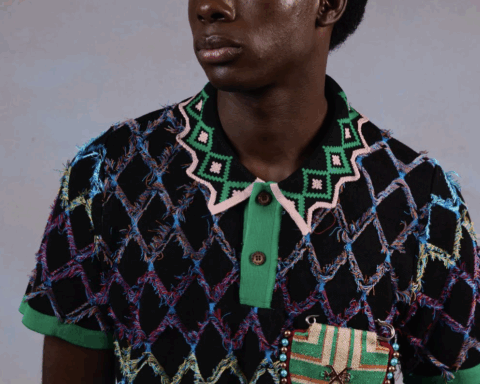



Across the continent, a new kind of packaging revolution is reshaping how African brands present themselves to the world. It is no longer just about containing a product or decorating a box. Today, African packaging is a strategic storytelling tool—one that blends sustainability, heritage, and modern aesthetics to create brands that stand proudly on shelves from Accra to Amsterdam.
Modern African consumers are discerning: they expect their products to look good, feel premium, embody cultural relevance, and align with global values. As a result, packaging has become one of the continent’s most important battlegrounds for brand value. The brands leading the charge are those that understand that packaging is not just a wrapper—it is the first handshake, the first emotion, the first moment of trust.
This is Cultural Storytelling Through Materials & Color…
African brands are increasingly rooting packaging in cultural symbolism—color palettes, textures, patterns, forms, and materials that echo the spirit of place.
A Fusion of Sustainability, Identity & Beauty
African packaging is becoming a global benchmark for how to fuse sustainability with storytelling and visual impact.

1. Sustainability as Cultural Logic
Many African brands prioritize eco-friendly packaging because it aligns with indigenous philosophies of stewardship and communal responsibility.
This includes:
- biodegradable paper
- recycled plastics
- compostable films
- plant-based inks
- reusable containers (e.g., shea jars, perfume bottles)
Sustainability is not a trend—it’s an extension of African cultural ethics.

2. Identity as a Competitive Advantage
African packaging is deeply connected to place. Brands are no longer hiding behind Western aesthetics; they are proudly displaying indigenous patterns, languages, symbols, proverbs, and craft techniques.
This identity-driven packaging builds:
- emotional resonance locally
- differentiation globally
- cultural ownership
- instant storytelling
3. Beauty and Modernity
African packaging is achieving a balance that long eluded the continent: modern, sleek, global aesthetics paired with cultural nuance. Minimalism meets heritage.nNeutral palettes meet tribal geometry. Clean lines meet textured finishes.


This packaging revolution is helping African brands win the shelf—not just through beauty, but through meaning. A balance that is both contemporary and rooted, offering something rare: cultural authenticity without sacrificing modern sophistication.
It signals a future where Africa’s visual languages, craft systems, and material cultures shape global packaging trends rather than imitate them.