

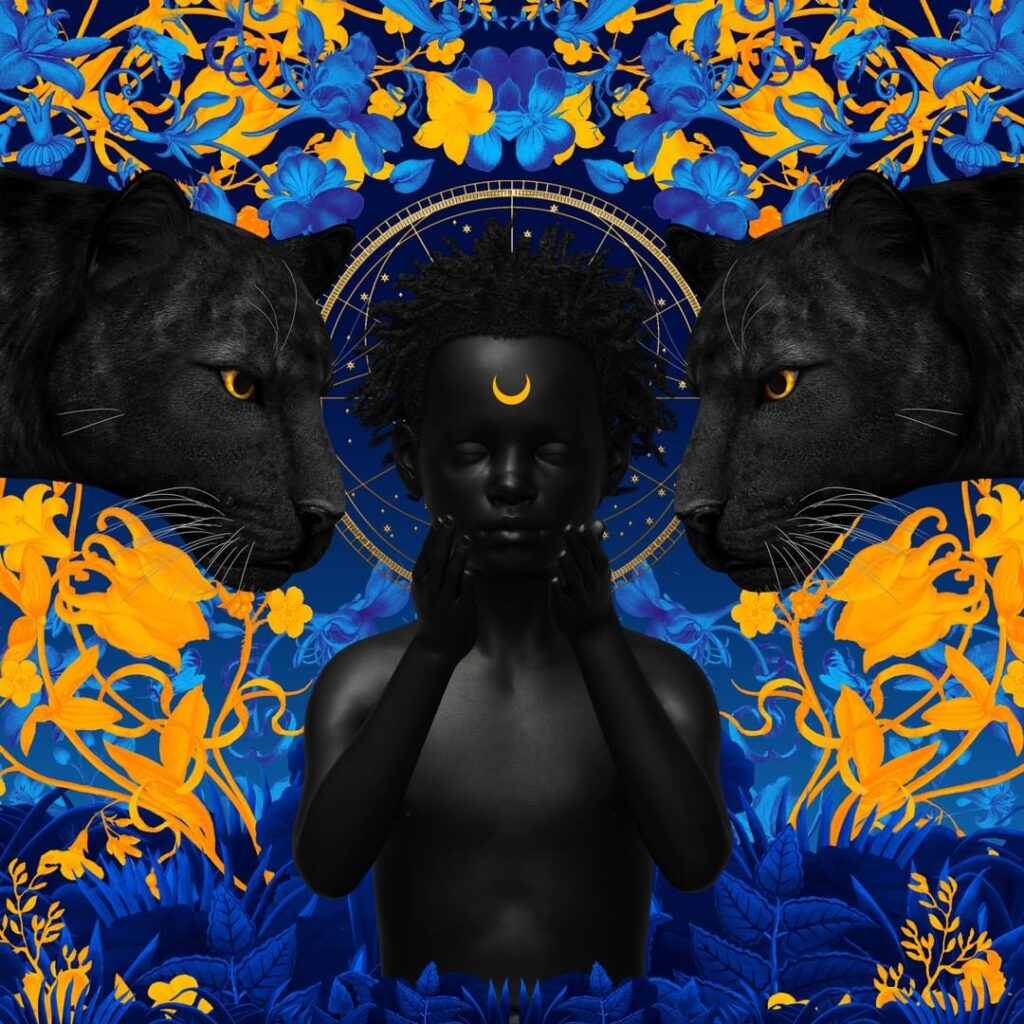
Afrofuturism has moved far beyond a visual style; it is now a design philosophy influencing how African creatives imagine, narrate, and build the future. Rooted in cultural memory but projected forward through technology, Afrofuturism allows African identities to exist unbounded by colonial timelines or Western sci-fi conventions. It reframes Africa not as a continent catching up—but as a place generating new worlds, mythologies, and possibilities.
Kenyan visual artist Osborne Macharia remains one of the most defining figures in this movement. His hyper-stylized portraits introduce fictional universes populated by cyber-elders, tech-augmented matriarchs, and clandestine societies. With dramatic lighting, neon atmospheres, and futuristic prosthetics, Macharia merges traditional attire with speculative storytelling, positioning African characters at the center of cinematic futures.
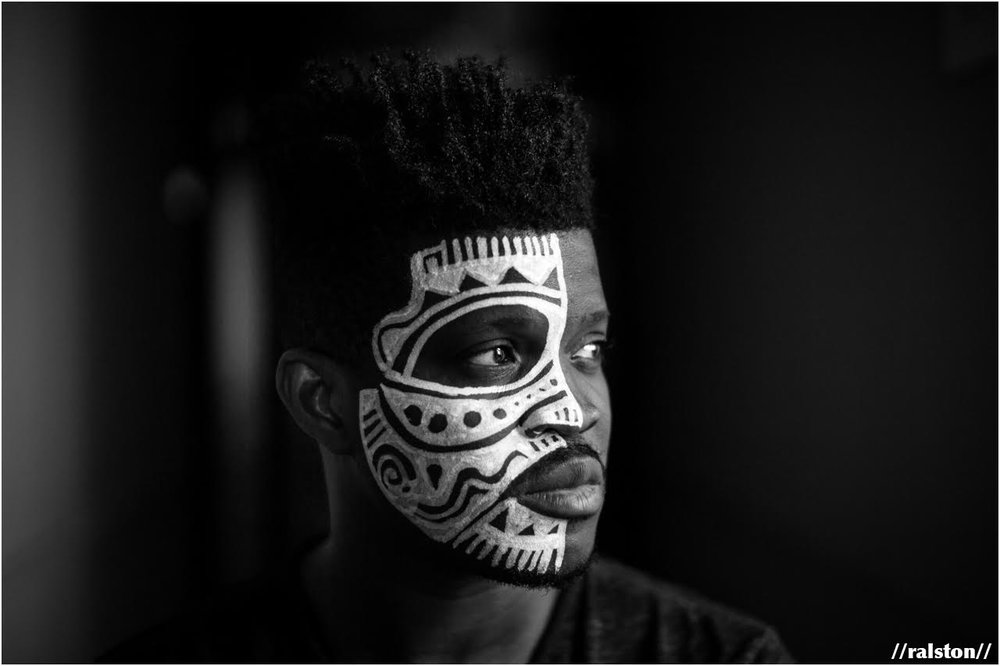
In Nigeria, Laolu Senbanjo’s “Sacred Art of the Ori” interprets Afrofuturism through spirituality. His Yoruba linework—painted onto skin like divine circuitry—transforms the human body into a vessel of cosmic memory. Collaborations with Nike, Beyoncé, and the Smithsonian have carried this metaphysical aesthetic into global spaces, showing that African cosmology can coexist with contemporary pop culture.
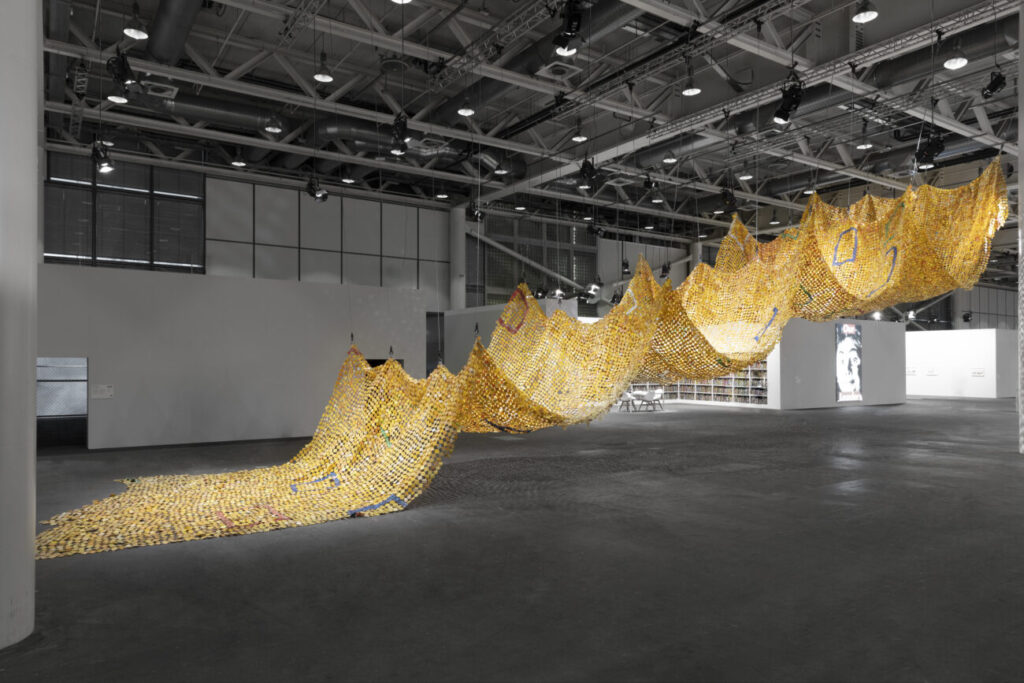
Ghanaian artist Serge Attukwei Clottey offers a different lens. Using yellow jerrycans as his signature material, he constructs monumental installations that feel like relics from a post-climate future. His work confronts migration, water scarcity, and colonial legacies, blurring the line between environmental critique and speculative world-building.
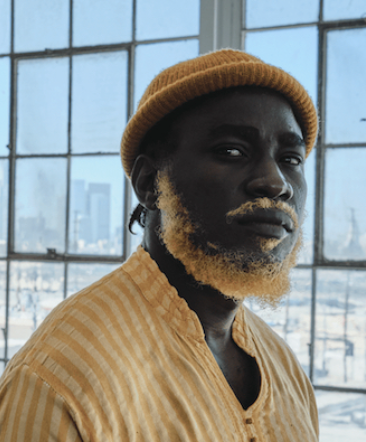
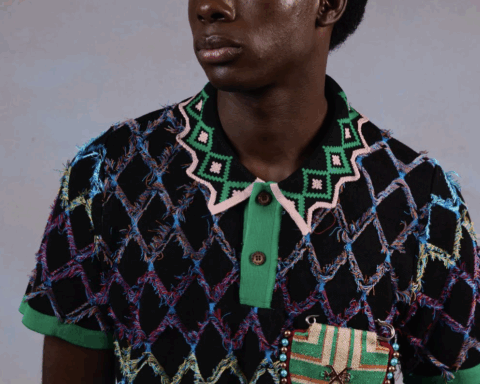
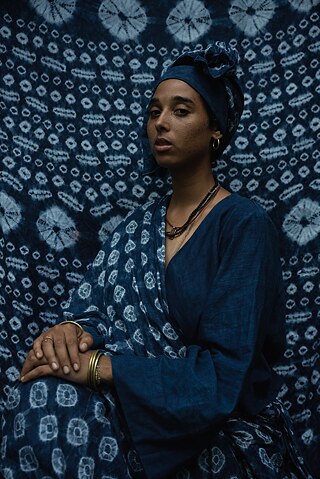
Fashion designers are equally shaping Afrofuturism’s visual vocabulary. MaXhosa Africa reimagines Xhosa bead motifs into knitwear that appears algorithmic, almost coded. Tokyo James uses metallic fabrics, structural tailoring, and armor-like silhouettes to create garments that fuse African form with cyberpunk edge. Their work proves that futurism can emerge from textile histories—not just digital labs.
In digital art and motion design, creators like Niyi Okeowo, Tabita Rezaire, and Cyrus Kabiru are constructing surreal, luminous worlds. Their AR costumes, 3D landscapes, and glitch-inspired compositions dismantle linear histories and propose alternative African timelines—ones that are spiritually charged, technologically confident, and self-authored.
Ultimately, Afrofuturism matters not because it looks futuristic, but because it expands who has the right to imagine the future. It frees Africa from external narratives and reclaims the power to design tomorrow through its own cultural logic.

Come and knock on our door. We’ve been waiting for you. Where the kisses are hers and hers and his, three’s company, too! Come and dance on our floor. Take a step that is new. We’ve a lovable space that needs your face, three’s company, too! You’ll see that life is a ball again and laughter is callin’ for you. Down at our rendezvous, three’s company, too!